
How to Choose a Heat Pump

April 26, 2023

Share this article

A heat pump is an appliance that allows you to guarantee an optimum temperature in your home all year round, depending on your needs. However, with all the options available on the market, it's not always easy to know which heat pump is best suited to heat and/or cool your home.

What Is a Heat Pump?

A heat pump is an electrical appliance capable of heating and/or cooling your home according to your needs.


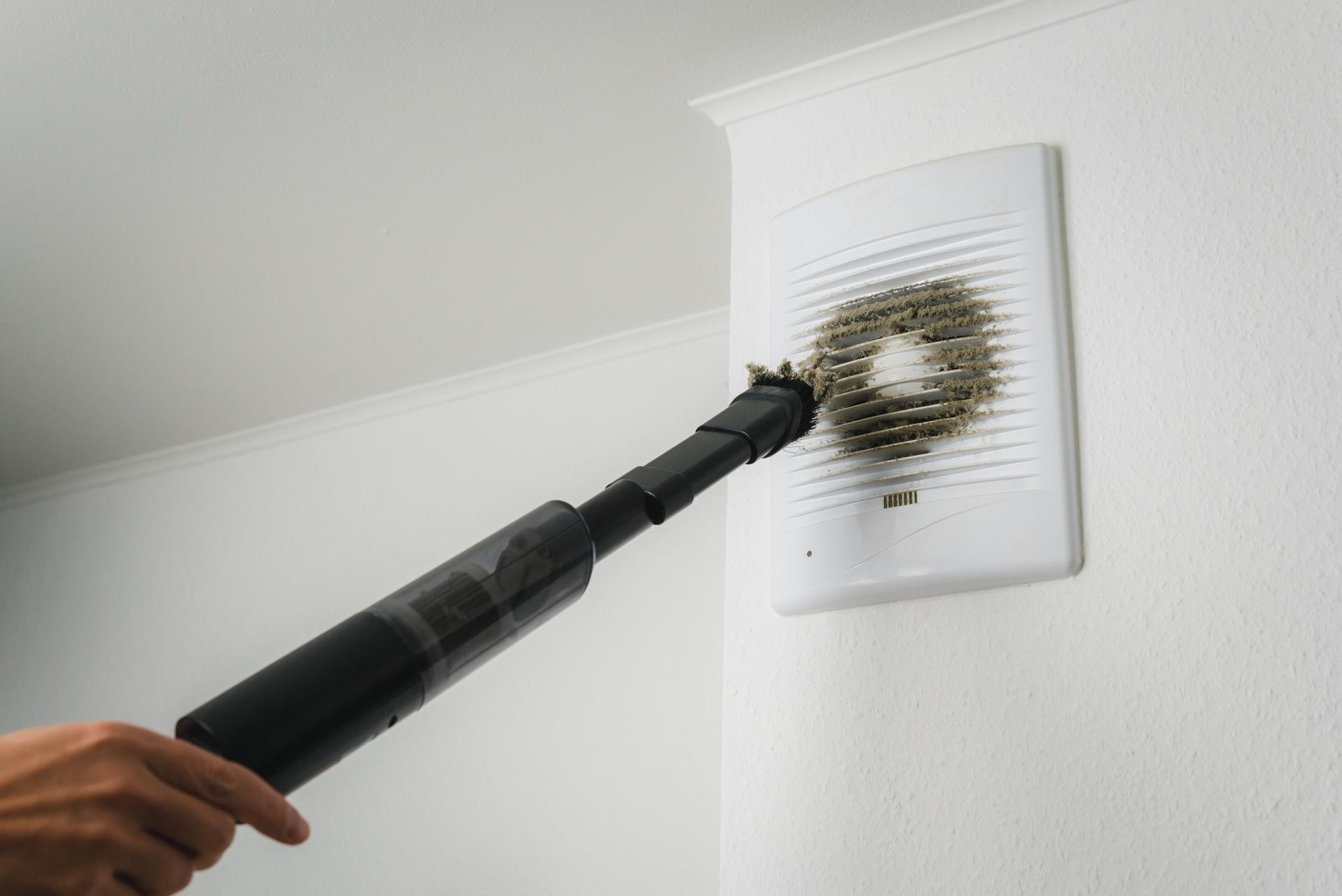
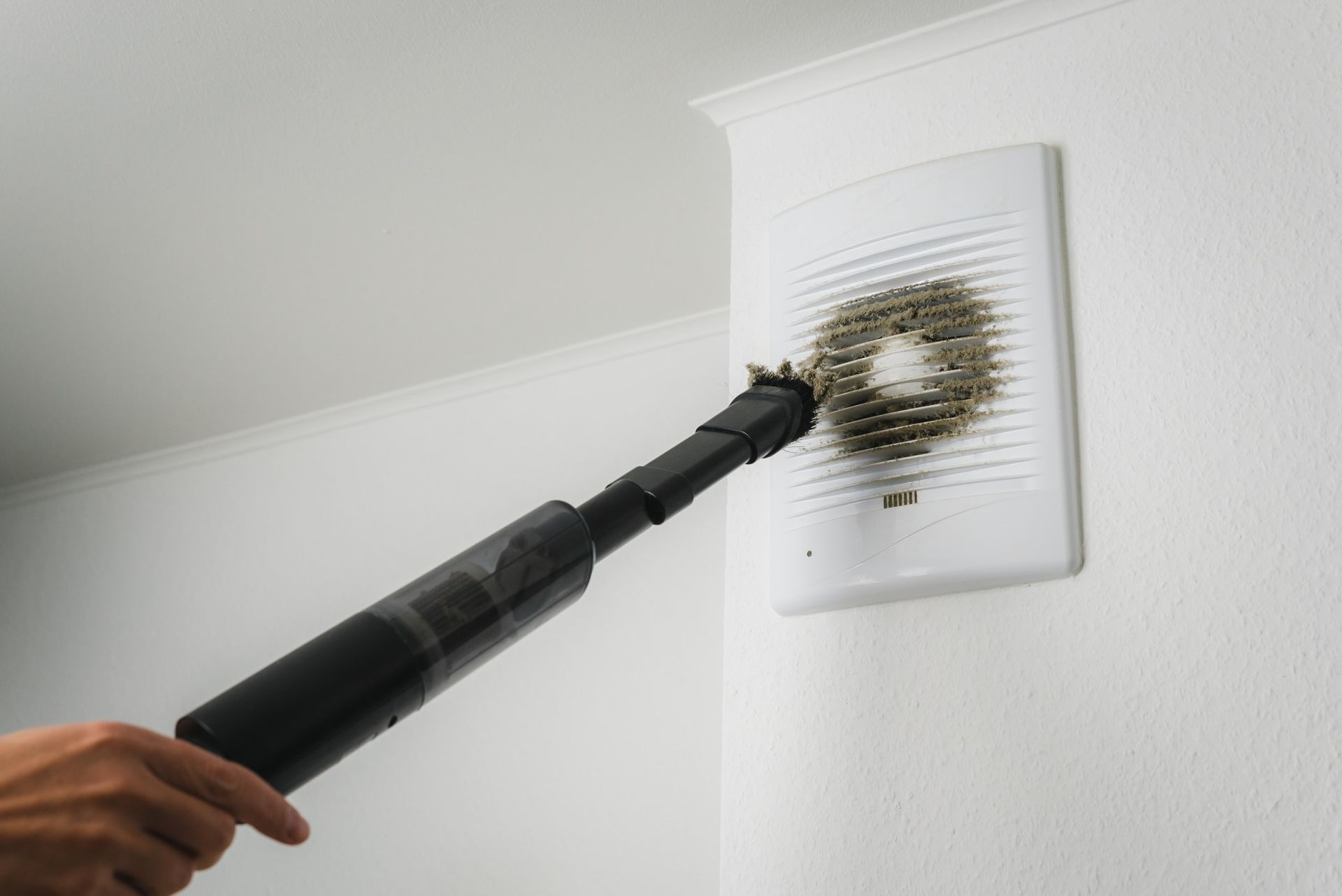
You can be sure that proper ventilation will be a win-win situation. If dust accumulates, the temperature of your appliance may be affected and its lifespan shortened.


This appliance absorbs the heat contained in the outside air during the winter and evacuates the heat from the house to the outside during the summer. So it's a 3-in-1 system: a heating system, an air conditioner and a dehumidifier.


Thanks to this dual-purpose appliance, you can maintain an optimal temperature all year round. The heat pump also improves air quality and reduces humidity.


This system is extremely efficient, as it consumes very little energy. So you can save on your electricity bill. In fact, it can reduce your heating costs by 30% or more.


Installing a heat pump also gives you a number of advantages, including quiet operation, high-energy efficiency, efficiency, reliability and comfort all year round.


The heat pump and the air conditioner have some similarities, such as the fact that they can air condition your property, but certain differences make them distinct appliances:


  • As well as air conditioning, a heat pump can heat the air at a lower cost than other heating systems;
  • A heat pump is used year-round, while an air conditioner is used during hot weather;
  • The heat pump can save you money on heating costs.


The heat pump allows you to get a return on your investment by saving on heating costs, and it can be used much more often than the air conditioner.


Get a free quote

The differences between a wall-mounted heat pump and a central heat pump

Wall-mounted and central heat pumps work in the same way. Both provide air conditioning or heating without drying out the air. However, regardless of the type of heat pump, you'll need to provide a second heating mode.

How a Wall-Mounted Heat Pump Works

A wall-mounted heat pump consists of two units (indoor unit and outdoor unit). One is installed on the wall inside your home, and the other outside.


These two units work in parallel to extract air from outside and distribute it inside the house while heating the air, and they work in reverse to air condition the house.


This heat pump is ideal for houses without air ducts, condos and flats. What's more, it's much more energy-efficient than electric baseboard heaters, so you'll save on heating costs. What's more, it operates silently thanks to its outdoor motor and fan.


Wall-mounted heat pumps are easy to install and require little maintenance. It's important to call in the experts to find out the ideal heat pump capacities to ensure that your home is heated or cooled properly.

How a Central Heat Pump Works

The central heat pump consists of an outdoor unit connected to a system of ventilation ducts.


This heat pump works in the same way as a wall-mounted heat pump (heating and cooling system). However, central heat pumps are pricier than wall-mounted heat pumps. They offer better performance and greater comfort thanks to ventilation ducts that distribute the heat or cool evenly.


Central heat pumps are installed in homes with existing air ducts. In the case of an existing home that has no ventilation ducts, installing a wall-mounted heat pump is a better solution for heating or cooling your home and avoids major renovation work. It is possible to have air ducts installed, but this is an expensive process.


It's important to call in technicians when installing a central heat pump so that they can check the condition of the air ducts to ensure that your new system delivers the expected performance.

How to Choose the Right Heat Pump

Choosing a heat pump depends on your heating and cooling needs. You'll need to take a close look at the various factors involved in selecting the right heat pump model, depending on the condition of your home (is it already built?), its size, and the energy efficiency you want.

1. Size of the House

Many factors need to be taken into account when selecting a heat pump, but the first thing to consider is the size of the house, which will determine the amount of heating and cooling power required.


An undersized appliance will run at full power all the time, while an oversized appliance will cause continuous and unnecessary on/off sequences. In both cases, the result is premature wear and tear on the system, poor energy efficiency and discomfort for occupants.

2. Windows

Windows are a factor in heating in summer due to the sun's rays and a factor in cooling in winter due to the heat loss they cause. The design of the house's windows is an important factor that needs to be considered (the number of windows, their size and their orientation in relation to the sun).

3. Internal Thermal Loads

Once you've decided on the right capacity, it's time to choose the right type of system for the house. If the house is under construction, you are free to choose the heat pump that suits you best. However, if you already have a house built, you should pick the heat pump best suited to your property.

4. Desired Energy Efficiency

When buying a heat pump, it's important to take two performance ratings into consideration:


  • The SEER Performance Index: stands for energy efficiency ratio and refers to the seasonal energy efficiency ratio. This index indicates the energy efficiency of an air-conditioning system based on the performance ratio of the appliance and the energy it consumes.
  • The HSPF Index: is the seasonal efficiency factor for heating. It represents the ratio between the amount of heat produced and the amount of energy consumed. The higher the rating, the less energy the appliance will consume during the heating season.


You should opt for Energy Star appliances, which consume less energy and have a low impact on the environment. What's more, they don't consume a lot of electricity, so they'll cost you less.


Inverter technology (a variable-speed compressor that adjusts to maintain a constant temperature without energy consumption peaks) also helps you save money.

What’s the Best Heat Pump on the Market?

The best heat pumps are those with the highest efficiency ratings (SEER and HSPF). When selecting a heat pump, you should consider Energy Star-certified models, which are among the most energy-efficient products in Canada.


The energy consumption of an Energy Star-certified residential reversible heat pump is 9% lower than that of a non-certified heat pump.


Entry-level models are efficient down to -12 degrees Celsius, while champions like the ZÉPHYR heat pump perform very well down to -25 degrees Celsius.

This heat pump far exceeds current energy efficiency standards, with a SEER rating of up to 22 and a HSPF rating of up to 11.


When buying a heat pump, it's important to choose a reliable system that keeps maintenance costs to a minimum. Choosing a quality unit that comes with one of the best warranties in the industry ensures greater durability. Our ZÉPHYR brand offers a 10-year warranty on the compressor and parts, with easy access for heat pump maintenance.


It's important to note that a more efficient unit means much greater savings.

Need Help Choosing a Heat Pump?

Groupe Rousso can help you get quotes for installing a heat pump. Our team offers various services to maximize the life of your heat pump or air conditioner:


  • Cleaning air conditioners, heat pumps, and condensers;
  • Cleaning ventilation ducts and air exchangers;
  • Heat pump maintenance;
  • Expert decontamination and disinfection to combat surface or airborne contamination;
  • To choose the ideal heat pump for your home, don't hesitate to contact our team of experts. We'll be delighted to discuss your needs with you;

See our services

Recent Posts

June 19, 2026
La Loi 16 : une réalité pour les gestionnaires d'immeubles
December 15, 2023
Air conditioning has become an essential part of our modern lives. It keeps us comfortable in our homes and workplaces by regulating the temperature inside, especially during the hot summer months. However, to maintain the optimum performance of your air conditioning system and ensure the quality of the air you breathe, it's crucial to have your air conditioning ducts cleaned regularly. In this article, we'll look in detail at the benefits of this essential practice for the health and comfort of your home.
December 15, 2023
La climatisation est devenue un élément essentiel de nos vies modernes. Elle nous permet de rester confortables dans nos maisons et nos lieux de travail, en régulant la température intérieure, en particulier pendant les mois chauds de l'été. Cependant, pour maintenir la performance optimale de votre système de climatisation et garantir la qualité de l'air que vous respirez, il est crucial de faire nettoyer régulièrement les conduits de climatisation. Dans cet article, nous examinerons en détail les avantages de cette pratique essentielle pour la santé et le confort de votre foyer. The post Les avantages du nettoyage de conduits de climatisation appeared first on Groupe Rousso.

April 26, 2023
Keep Your Air Ducts Germ-Free
April 26, 2023
If you cleaned them last year, that's fine. But be careful! Don't wait ten years or so for the next cleaning. If you have ventilation and heating ducts, remember to clean them at least once every 3 to 5 years. However, if you've just finished renovating your home, or have just moved into a new house, don't put it off too long. That said, there are other factors to consider when determining the right frequency for your particular situation.
April 26, 2023
Si vous les avez nettoyés l’année dernière, ça peut aller. Mais, attention! N’attendez pas une dizaine d’années pour le prochain nettoyage. Si vous avez des conduits de ventilation et de chauffage, pensez à les nettoyer au moins une fois tous les 3 à 5 ans. Cependant, si vous venez de terminer des travaux de rénovation à la maison ou si vous venez tout juste d’emménager dans une maison neuve, ne repoussez pas trop l’échéance. Cela étant, il faut prendre en compte d’autres facteurs pour déterminer la bonne fréquence pour votre cas particulier. The post À quelle fréquence doit-on procéder au nettoyage des conduits de ventilation et de chauffage? appeared first on Groupe Rousso.

April 26, 2023
La thermopompe est un appareil qui vous permet de garantir une température optimale dans vos foyers tout au long de l’année en fonction de vos besoins. The post Comment choisir sa thermopompe ? appeared first on Groupe Rousso.

April 26, 2023
Le lieu de travail est votre gagne-pain. Vous avez donc intérêt à compter sur un lieu en conditions optimales. Cela s’applique pour le bâtiment lui-même, l’espace de bureau, le système de circulation d’air et les conduits d’air, ainsi que pour les employés qui font le travail, sans qui votre entreprise n’existerait pas. The post L’importance de l’entretien des conduits de ventilation dans le lieu de travail appeared first on Groupe Rousso.